Understanding the different types of peony blooms
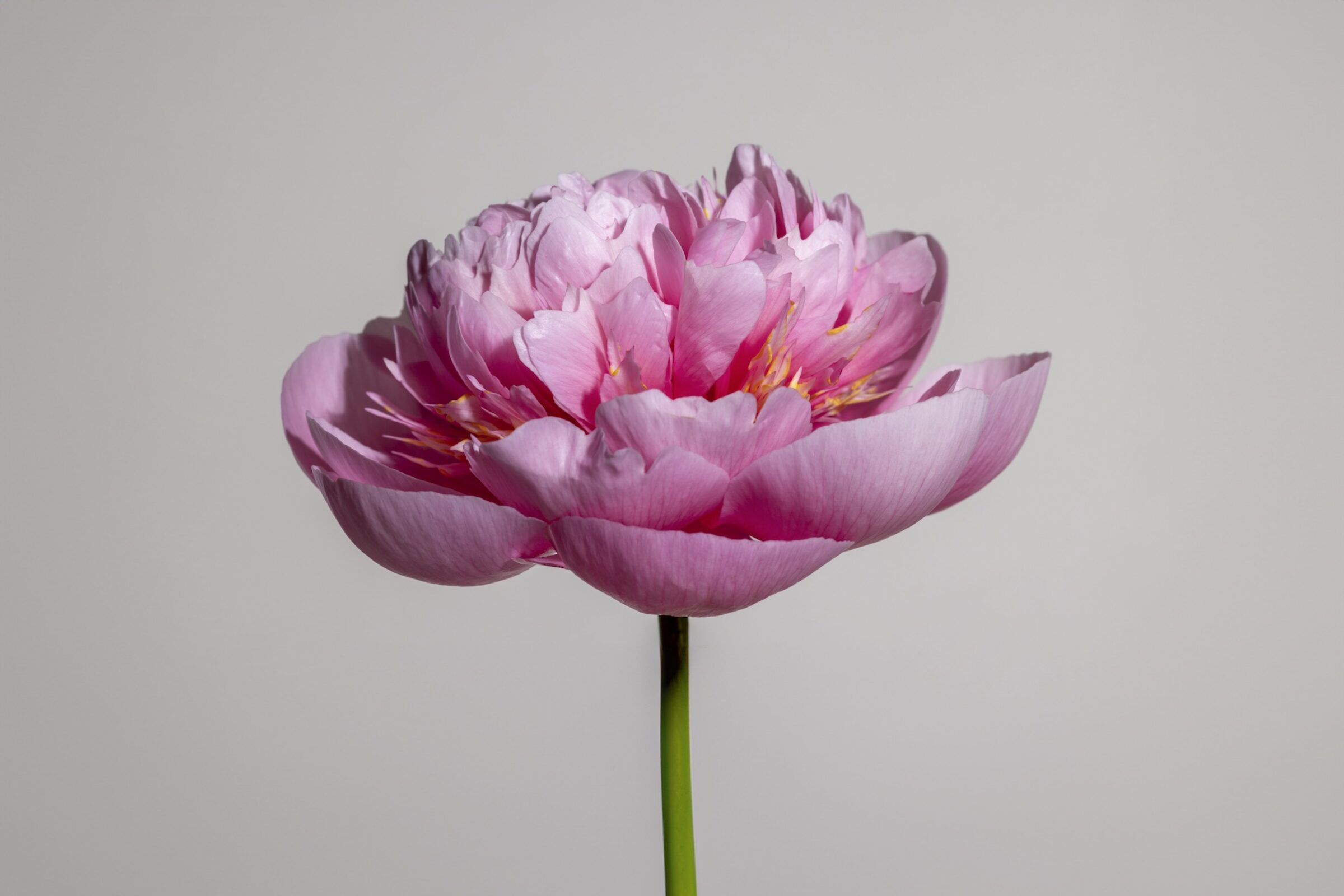
Peonies are among the most spectacular flowers used in floristry. One of the reasons they are so fascinating is the incredible diversity of flower forms. Each type of peony opens in a different way and creates a different visual effect in bouquets and arrangements. Understanding the different flower forms helps florists select the right variety for their designs. Below we explain the most important peony flower forms used in professional floristry.
Single Peonies
Single peonies are the most natural-looking form of peony flowers. They typically have one or two rows of petals surrounding a clearly visible centre of yellow stamens. This open structure gives the flower a lighter, more botanical appearance and makes them very attractive to pollinators in the garden. For florists, single peonies are often used in natural or garden-style arrangements where movement and openness are desired.
Characteristics:
· One or two rows of petals
· Visible stamens in the centre
· Light, natural appearance
· Often very early flowering
Examples include many Itoh peonies, which are hybrids between herbaceous peonies and tree peonies. Also Buckeye Belle and Claire de Lune are single peony varieties.
Semi-Double Peonies
Semi-double peonies have multiple layers of petals, but still maintain a partially visible centre. The stamens are often still visible, although they may be partially hidden by the surrounding petals. This creates a beautiful balance between openness and fullness. Semi-double peonies are often appreciated for their graceful structure and elegant movement. They also tend to open more easily than heavily double varieties. One of the most famous semi-double varieties is Coral Sunset This variety is known not only for its elegant flower form but also for its dramatic colour transformation as the bloom opens.
Characteristics:
· Multiple layers of petals
· Partially visible centre
· Elegant structure
· Often strong and reliable bloomers
Japanese Peonies
Japanese peonies are unique because the stamens in the centre of the flower are transformed into petal-like structures called staminodes. These modified stamens create a striking contrast between the outer petals and the decorative centre of the flower. The result is a highly ornamental bloom that looks almost sculptural.
Characteristics:
· One or two outer rows of petals
· Decorative centre made of staminodes
· Strong contrast between centre and outer petals
· Highly ornamental appearance
Japanese flower forms are less common in the commercial cut flower trade but are appreciated by collectors and specialty florists.
Anemone Peonies
Anemone peonies are closely related to Japanese forms but have a more densely packed centre made of petal-like structures. The outer petals form a soft frame around the raised cushion of inner petals, creating a flower that resembles an anemone.
Characteristics:
· Outer guard petals
· Large cushion of inner petaloids
· Textured flower centre
· Distinctive ornamental shape
These flowers create interesting texture in floral arrangements.
Double Peonies
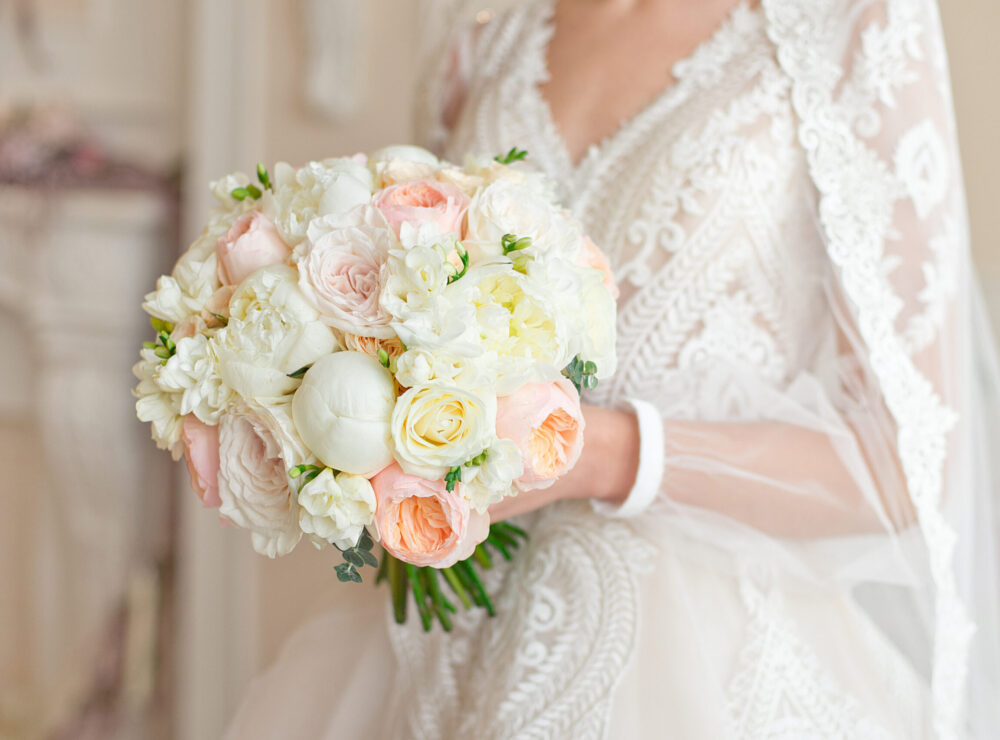
Double peonies are the most popular flower form in floristry. They contain many layers of petals, creating full, luxurious flowers with a romantic appearance. In many varieties the stamens are completely hidden by the petals. These varieties are often used in wedding work and luxury bouquets because of their rich and abundant appearance.
Characteristics:
· Many layers of petals
· Full and romantic appearance
· Stamens usually hidden
· Large flower size
Famous double varieties include:
Bomb Peonies
Bomb peonies are a spectacular subgroup of double peonies. They have a distinctive structure with large outer guard petals surrounding a dense spherical centre of petals, creating the appearance of a flower-shaped explosion. When fully open, bomb peonies can form enormous round flowers that dominate any bouquet.
Characteristics:
· Large outer petals
· Dense spherical centre
· Extremely full appearance
· Very dramatic bloom
One famous bomb peony is Angel Cheeks. Bomb peonies are often among the most visually powerful flowers in floristry.
Itoh Peonies
Itoh peonies, also known as intersectional peonies, are hybrids between tree peonies and herbaceous peonies. They combine characteristics of both plant types and often produce large, elegant single or semi-double flowers. Although beautiful, Itoh peonies are less commonly used as cut flowers because they typically have a shorter vase life.
Characteristics:
· Hybrid origin
· Often single or semi-double flowers
· Early flowering
· Shorter vase life compared to herbaceous peonies
Why flower form matters for florists
The flower form of a peony strongly influences how it behaves in a bouquet. Some forms create dramatic focal points, while others add movement and natural elegance. Florists often select varieties based on:
· bouquet style
· colour palette
· bloom size
· opening behaviour
Because peonies open dramatically after harvest, understanding their flower forms allows florists to predict how a bouquet will evolve over time.
The art of working with peonies
One of the reasons peonies are so beloved in floristry is their transformation. A tight bud can open into an enormous bloom within a few days, completely changing the look of an arrangement. This sense of movement and life is what makes peonies one of the most exciting flowers to work with. Within My Peony Society, growers cultivate a wide range of peony varieties across many flower forms, allowing florists to choose the perfect bloom for every design.